English or Western? My Humble Opinion After a Lifetime in the Saddle
Every rider has a saddle story. Mine starts with an English saddle, and honestly, it never really wandered far from there.
People ask me all the time which I prefer — English or Western — and I am always happy to tell them. But I want to say up front: this is just my opinion. There are wonderful Western riders out there doing beautiful work, and a good horseman can ride anything. Still, when someone asks me what I would put a beginner on, or what I personally choose to swing up into at the end of a long day, my answer has not changed in all these years.
Give me an English saddle every time.
You Feel the Horse
The first reason is simple: you feel the ride.
In an English saddle, there is so much less leather between you and your horse. You feel his back move. You feel his ribs lift when he breathes. You feel the moment he is about to shift, almost before he does. Your seat is in conversation with him.
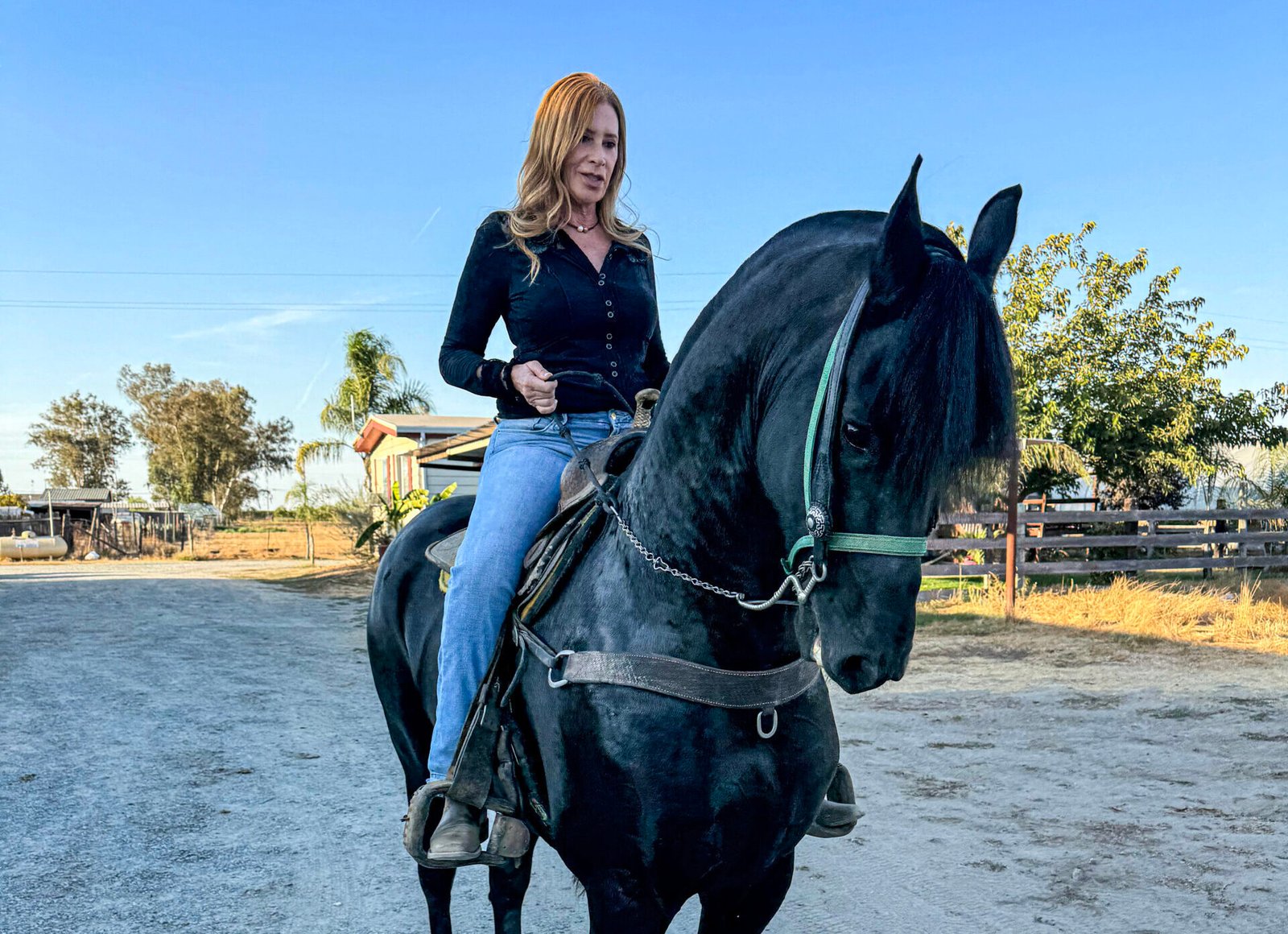
A Western saddle, with all its leather and that big, beautiful tree, puts a barrier between you and the animal underneath you. Some people love that — they like the security, the deep seat, the horn to hold onto. I understand it. But I want to feel my horse. I want to know what he is telling me through his back, not guess at it through three inches of rigging.
When you ride English, you become part of the horse. That is the best way I can describe it.
Easier on the Horse, Easier on You
Now, Western saddles are heavy. I always think about that. Yes, you can find a lighter Western saddle these days, and there are some lovely ones being made — but most of them are still solid leather over a hardwood tree, and they are a lot to ask a horse to carry, especially a fine-boned Arabian like mine.
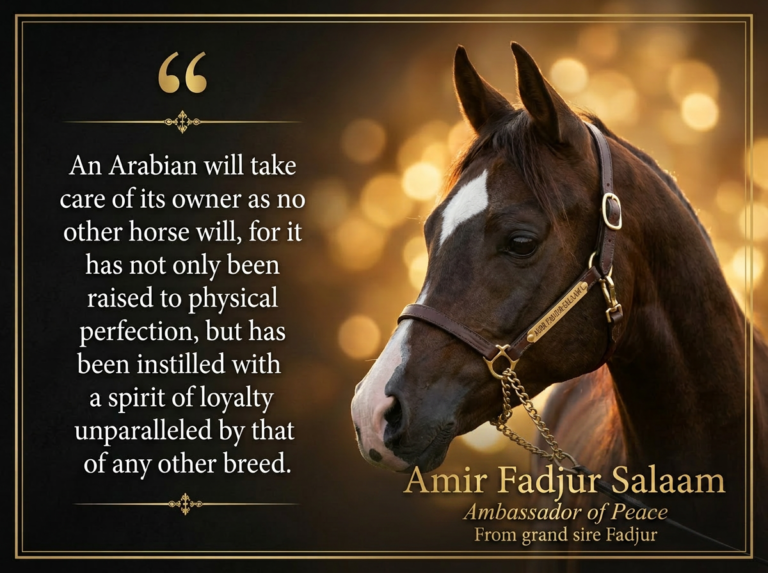
My Arabians are elegant, athletic, refined animals. They were bred to carry desert riders over long distances at speed, and a light English saddle suits their build and their spirit. It does not weigh them down. It moves with them.
And honestly? It is easier on me too. Lifting a heavy Western saddle up onto a tall horse is a workout I do not need at this stage of life. An English saddle, I can swing up with one hand and a smile.
The Tack Itself
Here is something nobody tells beginners: a Western saddle has a lot of straps.
There is the latigo. There is the off-side billet. There is the back cinch. There is the breast collar if you use one. There is a particular way to wrap and tie everything, and if you do it wrong, you have a problem. I can do it — I have done it plenty of times — but I will be honest, I never quite remember the order without thinking it through. There are a lot of pieces working together.
An English saddle? Just the girth. You buckle it on one side, buckle it on the other, and you are ready to go. That is it.
And here is the part I love most: you can adjust the girth on an English saddle while you are sitting on the horse. Halfway down the trail, when your horse has relaxed and exhaled and the girth has gone a little loose, you just reach down, lift the flap, take it up a hole, and keep riding. Try doing that with a Western cinch.
My Advice to New Riders
If you are just starting out — or if you are thinking about getting back in the saddle after years away — I will tell you what I tell every friend who asks:
Start with an English saddle. And get a good one.
Look for one with a little extra padding under the knees. A slightly higher cantle behind you gives you something to settle into and helps you feel secure without being locked in. There are some truly wonderful English saddles being made today — close-contact, all-purpose, dressage cuts — and there is a middle ground for almost every kind of rider.
The stirrups, too. I love the way English stirrups sit. They are light, they move freely, they let your leg hang the way it is supposed to hang. Your heel drops naturally. Your balance finds itself. You learn to ride with your seat and your legs instead of bracing against a horn.
That is the kind of foundation that lasts a lifetime.
A Note on Arabians
If you are lucky enough to ride an Arabian, I would gently suggest an English saddle even more strongly. These horses are lighter, more sensitive, more responsive than most. They want a partner, not a passenger. An English saddle lets you be that partner. You can feel every little thought that runs through them, and they can feel you back.
That conversation — quiet, constant, two-way — is what riding an Arabian is all about.
In the End
This is just my humble opinion, formed over a lot of mornings, a lot of horses, and a lot of miles. Western has its place. Western has its beauty. But when I think about the saddle I learned in, the saddle I trust, the saddle I would put a new rider in, and the saddle I want under me on my own horse — it is English, every time.
Less leather. More feel. Easier tack. A lighter ask of the horse.
And that quiet moment when you swing up, settle into your seat, gather your reins, and feel your horse breathe beneath you — that is the whole reason any of us ride in the first place.
— With love from the ranch