The Quiet Language of Horses: Why I Open My Gates
There’s a particular kind of silence that settles over you when you stand beside a horse who trusts you completely. Not the absence of sound—the birds still sing, the wind still moves through the oaks—but the presence of something deeper. A stillness that has nothing to do with quiet and everything to do with being known.
This is what I want to share with you.
The Horses Who Taught Me
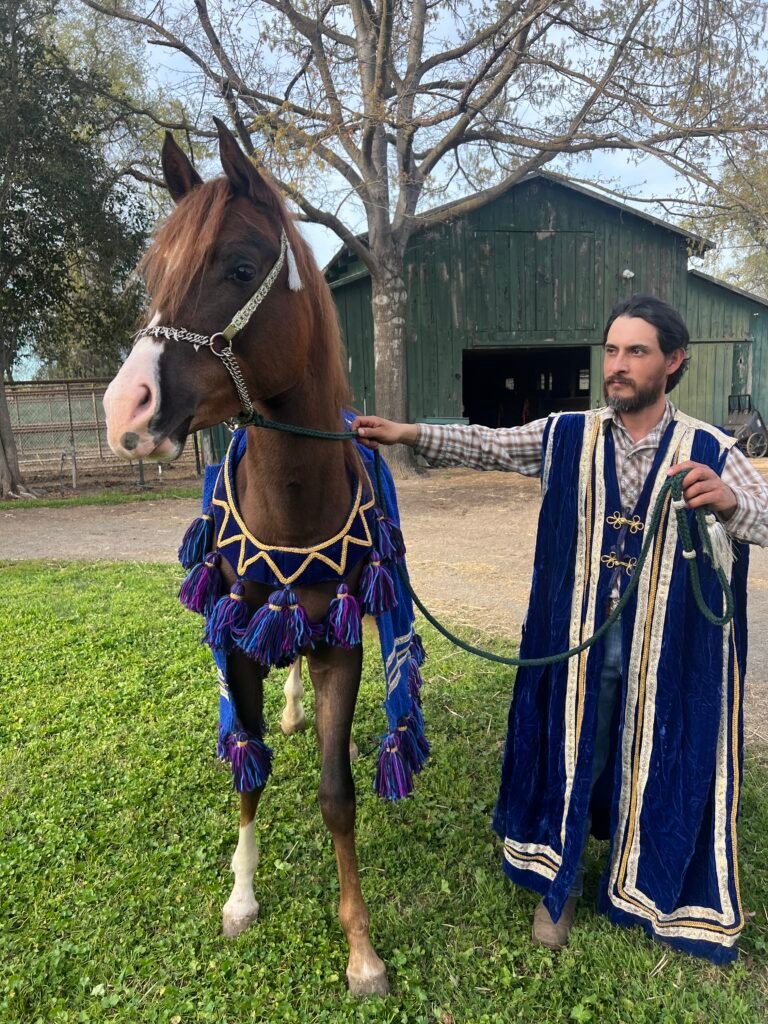
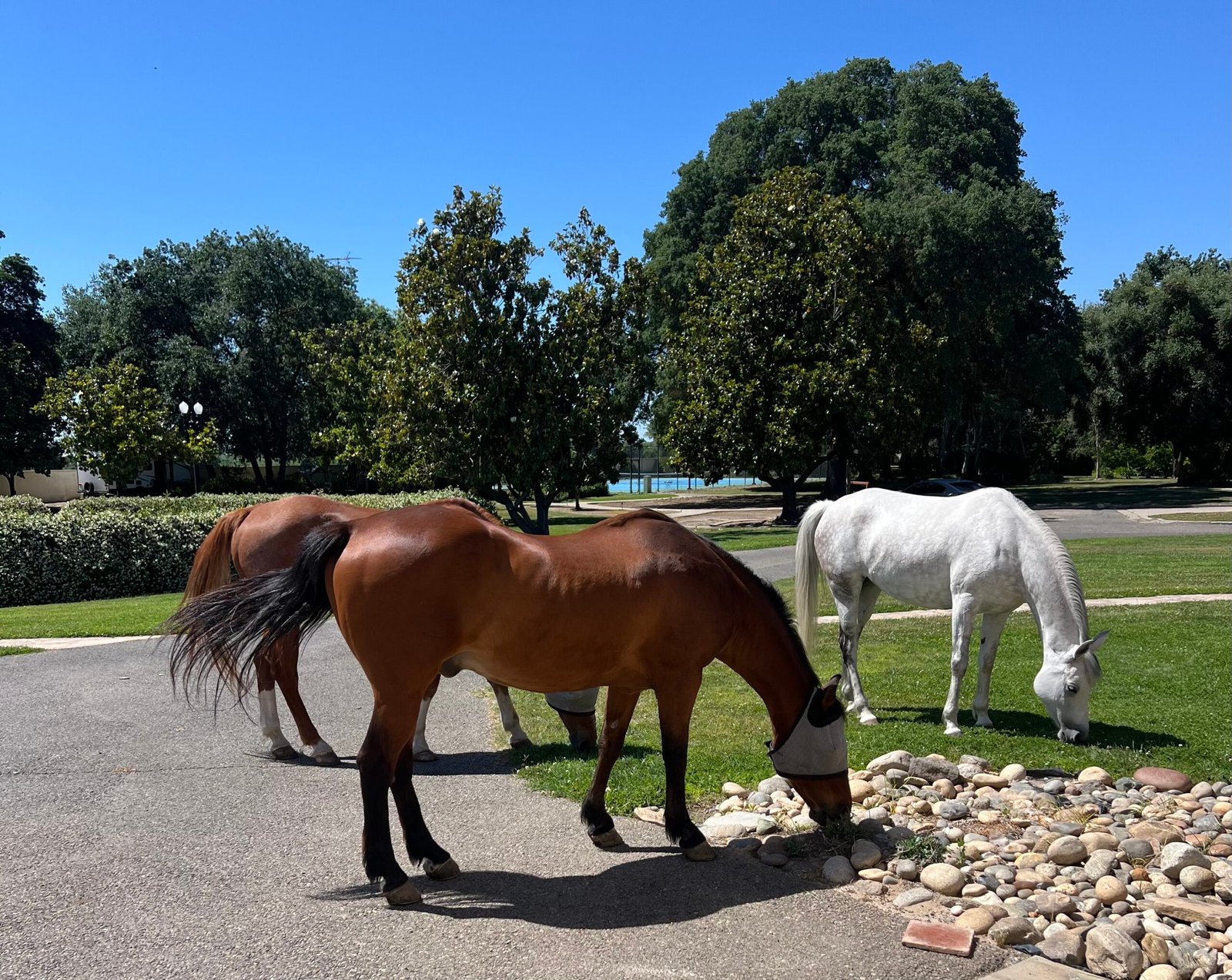
Amir came to me with his own story written in his body—his way of moving, his particular cautions, the places he held tension. Like every horse here, he didn’t arrive “personable.” That word makes it sound like a personality trait, something innate. It’s not. It’s built. Moment by moment. Choice by choice.
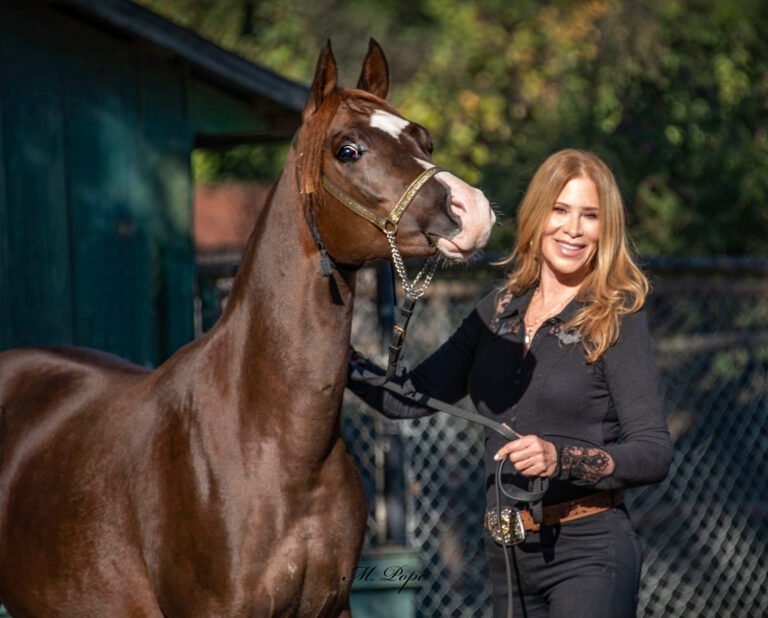
People sometimes ask if I’ve trained them to be “like dogs”—to come when called, to seek contact. I used to reach for that comparison. Now I catch myself. No. They are horses. Magnificently, unapologetically horses. What I’ve worked toward isn’t obedience disguised as affection. It’s relationship. The kind where a 1,000-pound prey animal chooses to soften when you approach. Where they turn toward you instead of away. Where the halter isn’t a restraint but a conversation.
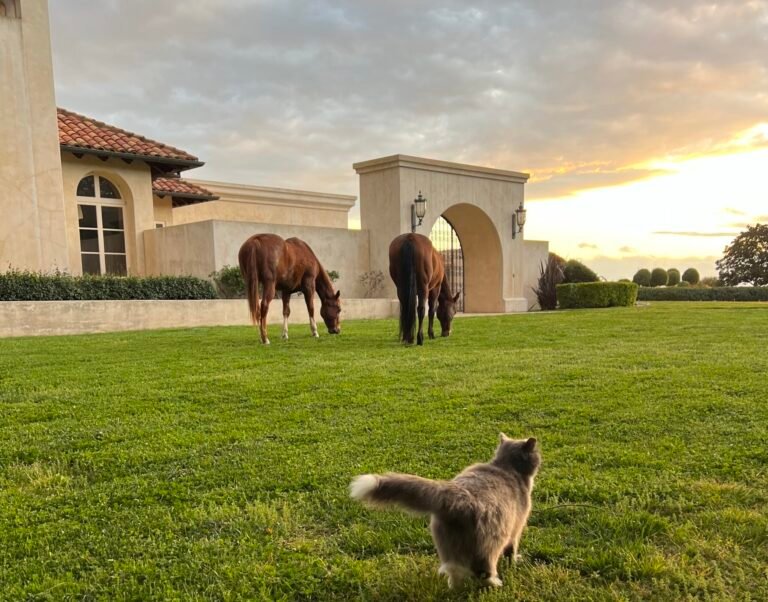
That takes time. More time than most modern lives want to give. But here, on these 140 acres, time moves differently. And the horses have taught me that the greatest training isn’t technique—it’s presence.
Why I Open the Gate
I’ve watched people arrive carrying the weight of diagnoses, divorces, grief they couldn’t name, the low-grade exhaustion of a world that never stops demanding. They step into the round pen or stand at the fence, and something shifts. Not because I’ve said anything profound. Not because I’ve “fixed” anything.
Because a horse looked at them. Really looked. And didn’t judge. Didn’t need them to be anything other than exactly who they were in that moment.
The texts come later: “I miss the horses already.”
They’re not missing an experience. They’re missing themselves—the version of themselves that existed in that relationship. The one who breathed deeper. The one who felt real.
The Apprenticeship: Passing It Forward
This is why I’m starting something new.
An apprenticeship for anyone drawn to this work—not just riding, but relating. We’ll begin on the ground, where all real horsemanship lives:
- How to move in a horse’s space without startling, without being stepped on—learning their language of pressure and release
- Haltering as invitation, not capture
- Grooming that honors the animal: the patience to work with a mane and tail, knowing each hair represents months of growth, knowing that how you touch them is the relationship
- Reading the subtle shifts—an ear flick, a weight change, a breath held or released
- The thousand small safeties that become the foundation for trust
These aren’t “basics” you graduate from. They are the art. Every master horseman I’ve ever respected returns to them daily.
What I Hope You’ll Carry Forward
My goal isn’t to create clones of my methods. It’s to plant seeds: that horses deserve our most careful attention. That relationship is built in the mundane moments—how you hold a lead rope, how you approach a shoulder, whether you notice the fly bothering their belly before you ask for anything.
That in a loud, manufactured, algorithm-driven world, there remains something utterly authentic. A horse doesn’t perform connection. They either feel it or they don’t.
And when they do—when that massive, powerful, sensitive creature chooses you—it changes how you move through every other relationship in your life.