Can Animal Ancestry Heal Modern Division? A Look at Abrahamic Roots and the Arabian Horse as a Symbol of Grace and Spirit
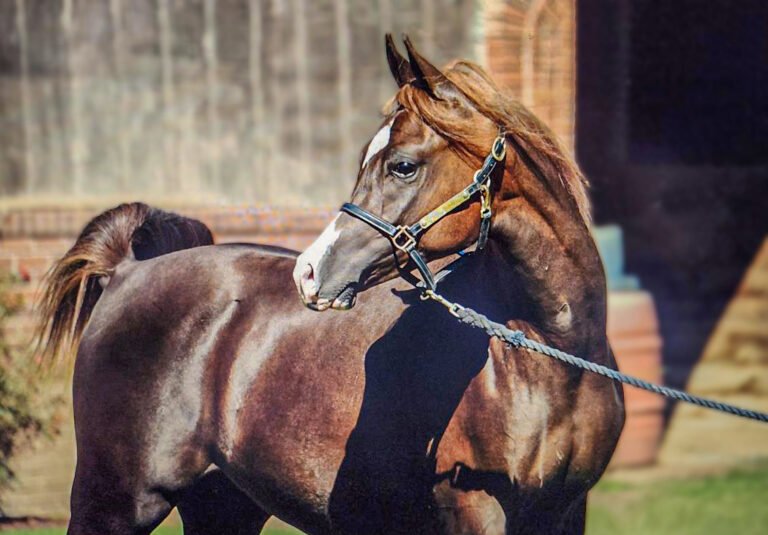
There are over 300 recognized horse breeds in the world, but one stands out among the pack. The Arabian horse has become known not only for its beauty and grace in movement but also for its steadfast loyalty and almost human-like ability to feel and give empathy.
Revered across the Arab world for their intelligence and adaptability, Arabian horses have come to symbolize more than just nobility or wealth. The noble breed has been gifted as a measure of goodwill and has come to represent feelings of mutual respect and peacemaking.
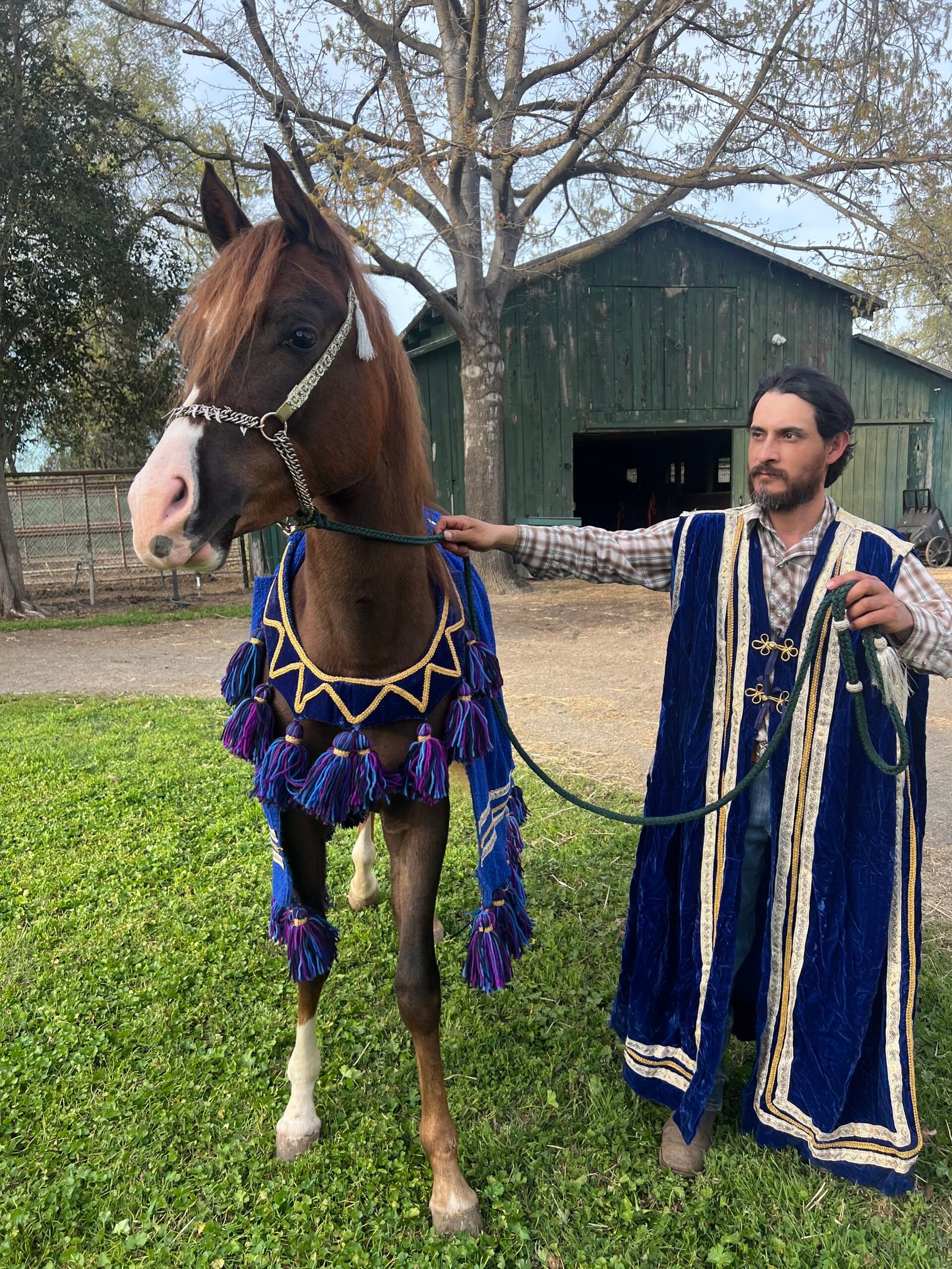
In a world that is increasingly divided, Arabian horses, such as philanthropist and equestrian Ann Lesley Smith’s prized stallion Amir Fadjur Salaam, offer a timeless message of peace and bridge-building between nations and cultures.
A distinctive heritage of peacemaking and understanding
The Arabian horse breed can be traced back to the Bedouin tribes who roamed the Arabian deserts thousands of years ago. The breeding of Arabian horses was regarded by these tribes as almost a spiritual venture. They were not merely beasts of burden or property belonging only to a single rider; these horses were bred to become important members of the tribe — gifts from God and partners in survival amid the desert’s harsh elements.
Over generations of selective breeding in such intimate environments, the Arabian horse has developed a level of intelligence and empathy that has yet to be seen in other horse breeds. The breed’s gentle nature complements its natural beauty, making it one of the most genial horse breeds whose authenticity is pure.
But how was the Arabian horse elevated from the pride of the Arab desert to a symbol of peace? The answer may lie deep in the horse’s connection to the ancient people who lived and worked with these magnificent creatures.
The Arabian horse breed’s story, in many ways, runs parallel to the story of Abraham and his descendants, a story shared across the Abrahamic religions of Judaism, Christianity, and Islam. In many ways, the horses are just as much a part of the story of the founding of those religions as the people are.
From Abraham to Arabia: The endurance of legacy
Abraham, known as Ibrahim in Islamic tradition, is a prophet in all three Abrahamic faiths, whose story carries central themes of obedience and belief in a single creator. This concept, though radical thousands of years ago among polytheistic belief systems, served as the bedrock for the monotheism that people remain faithful to today all over the world.
Legend holds that when Abraham’s son Ishmael — considered the ancestor of many Arab tribes — settled in the Arabian Peninsula, his descendants learned to live in harsh deserts with the help of their steadfast horses. More than just a means of travel for the tribes, these animals became the embodiment of divine favor, courage in the face of adversity, and peace between different nomadic tribes.
Those early Arabian horses became the blueprint for their descendants today: horses with a keen sense of belonging and connection with their humans.
A bridge to peace
The Arabian horse is a well-documented breed throughout history. Crusaders who came upon them marveled at their beauty, Renaissance painters captured them in works of art, and those who traveled the globe brought horses with them back to their home countries.
Even in times of war and strife between tribes or countries, the Arabian horse remained a symbol of peace. Leaders would exchange horses as symbols of respect and goodwill. The horse became a sort of diplomat in this way, carrying a message that our shared stories should bond us more than anything can divide us.
Modern lessons from the Arabian horse
Today, the lessons carried through generations still endure. The Abrahamic lineage of the Arabian horse has the ability to stretch beyond borders and belief systems. Proud owners like Ann Lesley Smith believe their horses, who share the same empathic nature as their ancient ancestors, can bring people together in divided times, much as horses did thousands of years ago.
“These horses embody mutual respect and enduring love,” says Smith, echoing a sentiment many Arabian horse enthusiasts hold.
The Arabian horse is a symbol that both strength and a gentle, understanding nature can coexist. If people are willing to let the Arabian horse continue to stand as an ambassador of peace, even as our divisions become more complex, it is very possible that the shared ancestry of the Arabian can heal even the deepest divides.